joi, 25 februarie 2016

How to ride your bike to work every day - STARTING NOW


A businessman on a bicycle
 
Burn calories and not gas on your way to work. (Photo: Dragon Images/Shutterstock)
The weather is finally changing — meaning it's time to take the plunge and consider a different mode of transportation for work. But what happens next? 

It's all about planning
Bicycle commuting is a lot of fun, but doing your homework beforehand is the best way to make sure things go smoothly. If you're reading this in the spring, Bike to Work Week would be a great time to get involved, but getting on your bike is something you can do any time of year. Check the League of American Bicyclists' website and see if there are organized activities where you live.
We've put together five areas for you to address before the Big Ride:
Are you physically capable of the commute? Most adults in average condition can manage a 10-mile ride in about an hour without too much trouble. Just like any exercise program, talk to a health professional if you have any questions before you saddle up.

Is your bike up to the trip? Buying a shiny new commuter bike is a great incentive to ride — but any bicycle in good repair will do. Give your bike a thorough once-over well in advance of your maiden commute. As a general rule of thumb, tires, running gear, brakes and lights should all get attention before each trip. Use the checklist on how to pick a great used bicycle if your bike has been sitting unused for any length of time — or wheel it into the local bike shop for a professional tune-up.

Choose your route carefully. The most direct way to work isn't always the best. Pick streets with activity appropriate to your comfort level on the bike. Watch out for areas marked off-limits to non-motorized traffic (most tunnels, for instance). One of the best things about cycle commuting is being able to vary your route. There's usually more than one way to get from Point A to Point B, and that's part of the fun.

Pack what you need. A water bottle, toiletries, a change of clothes, tools and a tire repair kit — these are all reasons commuter bikes are usually equipped with panniers or baskets. If you're just starting out, you can probably make do with a backpack or messenger bag. But you'll find these can be uncomfortable in warm weather. The bike frame is the best place to carry gear, so upgrade to a proper rack and bags as soon as the commuting bug bites.

A man rides his bicycle during a rain storm
It's important to be prepared when you're bicycling for work. Have everything you need for your trip and be sure to check the weather before you leave home. (Photo: Tyler Olson/Shutterstock)
 
Decide what happens once you're at work. You'll need a secure place to lock up or some out-of-the-way indoor location to stash your bike. Bikes can be wet and greasy, so choose somewhere away from your co-workers if you want to remain popular. Avoid blocking doorways and halls. You're also going to need somewhere to change and freshen up. A bathroom stall will do the trick, but check around and see if there are shower facilities within walking distance of where you work. Gyms and spas are usually cooperative about arranging access.
 
Now ride! Leave yourself plenty of time, enjoy a nice breakfast — and start pedaling! If it goes well on your first outing, try it again next week. You're saving money, helping out the environment and promoting your own physical fitness.
We'd love to hear your commuter stories. Share them in our comments section. Have fun!

Source: www.mnn.com

10 Things You Can Do to Help Save the Earth


You can do little things every day to help reduce greenhouse gases and make a less harmful impact on the environment. See more green living pictures. JGI/Jamie Grill/Blend Images/Getty Images

Going green is easier than you think. There are little things you can do every day to help reduce greenhouse gases and make a less harmful impact on the environment. Taking care of the Earth is not just a responsibility -- it's a privilege. ­In that spirit, HowStuffWorks came up with 10 things you can do to help save the Earth.

1.­ Pay attention to how you use water. The little things can make a big difference. Every time you turn off the water while you're brushing your teeth, you're doing something good. Got a leaky toilet? You might be wasting 200 gallons of water a day [source: EPA]. Try drinking tap water instead of bottled water, so you aren't wasting all that packaging as well. Wash your clothes in cold water when you can.


2. Leave your car at home. If you can stay off the road just two days a week, you'll reduce greenhouse gas emissions by an average of 1,590 pounds per year [source: EPA]. Combine your errands -- hit the post office, grocery store and shoe repair place in one trip. It will save you gas and time.

 3. Walk or ride your bike to work, school and anywhere you can. You can reduce greenhouse gases while burning some calories and improving your health. If you can't walk or bike, use mass transit or carpool. Every car not on the road makes a difference.


4. Recycle.You can help reduce pollution just by putting that soda can in a different bin. If you're trying to choose between two products, pick the one with the least packaging. If an office building of 7,000 workers recycled all of its office paper waste for a year, it would be the equivalent of taking almost 400 cars off the road [source: EPA].
 
5. Compost. Think about how much trash you make in a year. Reducing the amount of solid waste you produce in a year means taking up less space in landfills, so your tax dollars can work somewhere else. Plus, compost makes a great natural fertilizer. Composting is easier than you think.
 

6. Change your light bulbs. Compact fluorescent light bulbs (CFLs) last 10 times longer than a standard bulb and use at least two-thirds less energy. If you're shopping for new appliances or even home electronics, look for ENERGY STAR products, which have met EPA and U.S. Department of Energy guidelines for energy efficiency. As of December 2013, ENERGY STAR had helped families and businesses to save an estimated $295 billion on utility bills and prevented more than 2.1 billion metric tons of greenhouse gas emissions from being released over the past two decades [source: ENERGY STAR]. (Learn more about proper disposal of CFLs.)
 
7. Make your home more energy efficient (and save money). Clean your air filters so your system doesn't have to work overtime. Get a programmable thermostat so you aren't wasting energy when you aren't home. When you go to bed, reduce the thermostat setting -- you won't miss those extra degrees of heat or air conditioning while you're asleep.
 
 8. Maintain your car. Underinflated tires decrease fuel economy by up to three percent and lead to increased pollution and higher greenhouse gas emissions [Source: EPA]. Underinflation also increases tire wear, so it will save you money in the long run if you're good about checking your tire pressure.
 
9. Drive smarter. Slow down -- driving 60 miles per hour instead of 70 mph on the highway will save you up 4 miles per gallon. [Source: Consumer Guide Automotive]. Accelerating and braking too hard can actually reduce your fuel economy, so take it easy on the brakes and gas pedal.

10.Turn off lights when you're not in the room and unplug appliances when you're not using them. It only takes a second to be environmentally conscious.

Source:  science.howstuffworks.com

Simple But EFFECTIVE Vinegar Cleaning Solutions For Anything


vinegar cleaning solution

We’ve written a few other articles on vinegar because it’s such an epic natural cleaner, but we’ve got another one for you today! If you’re looking for a homemade vinegar cleaning solution, then we’ve got you covered.

Over time, we’ve found that the majority of store-bought cleaning chemicals are either expensive, toxic or both. It’s true that these chemicals can clean almost anything and work quite well. The problem is that not everyone likes using them.

They also pose a significant threat to the environment because they’re rarely disposed of properly. Vinegar is natural and best of all – it’s inexpensive! We have another article on the site that gives you 216 different ways to clean with vinegar.

How to Make Homemade Vinegar Cleaning Solutions
You can make A LOT of different vinegar mixtures, but there are certain formulations for certain cleaning purpose. Let’s take a look:

For Floor Cleaning
To make an excellent vinegar-based floor cleaner, mix one cup of baking soda and white vinegar with a single tablespoon of homemade dish soap. Combine the mixture with two gallons of hot water.
Be careful as vinegar and baking soda react with each other, which could make a huge mess. Make sure to mix them slowly. This cleaning solution is perfect for mopping your floors.

Natural Orange Cleaner
If you save your orange peels and put them inside canning jars with some white vinegar, the orange essence will actually fuse with the vinegar. This will produce a homemade cleaning solution that smells just like oranges.

For Cleaning Tile and Tub
For a vinegar cleaning solution to use on your tile and tub, mix 1 and 2/3 a cup of baking soda with 2 tablespoons of white vinegar. Combine the mixture with ½ cup of Castile soap and ½ cup of water. This will produce a cleaning solution that works incredibly well for cleaning your bathtub and tile.

For Glass Cleaning
Mix ½ cup white vinegar with 2 cups of water. Pour the solution into a spray bottle and clean glass with it all day!

For Carpet Cleaning
Create a solution containing equal parts water and white vinegar. You can spray this solution onto your carpet to remove stains. Allow the solution to sit for a few minutes and wash it away.

For Drain Cleaning
We’ve all had to deal with a nasty drain. Over time, the bathroom and kitchen drains will build up with all sorts of unwanted debris and odors. Instead of pouring harsh chemicals down the drain, pour a mixture containing 1 cup white vinegar and ½ cup baking soda.
Let the mixture sit in the drain for about 30 minutes. Afterwards, pour scolding hot water down the drain, and this should remedy your clogged, smelly drain.

For Cleaning the Shower
Got a nasty looking shower that needs to be cleaned? Create a mixture of 10 drops Melaleuca oil, 1 cup white vinegar and 2 cups water. Spray this solution all over your shower for a great clean.
You would be surprised to learn how powerful natural cleaners can be. Most of them are incredibly effective at cleaning based on a chemicals reaction. These are some of the best vinegar cleaning solution recipes.

The vinegar window cleaning solution is especially effective. While you can make ammonia vinegar cleaners, the jury is still out as to whether or not they work better.

Climate change brings spring earlier

flowers.pri_ 
Photo: John-Morgan/Flickr 
 
Is spring coming earlier due to climate change?
 
Mike Dettinger, hydrologist at Scripps Institution of Oceanography
There are a number of ways of trying to figure out when spring arrives. One measure is when the snow starts to melt. Another is precipitation; studies have found that across most of the Northwest over to New England, more rain falls now than snow. Other studies show there’s less snow on the ground on April 1 now than there was in the 1950s. Most rivers rise earlier, and some plants have been greening earlier. By all these measures, we can say that spring is coming earlier.

There are few places where we could explain even half of the hastening of spring by natural forces alone. We’ve seen warmer springs and earlier onset over the last 30 to 50 years, which makes sense, because in that time we’ve dumped a lot more greenhouse gases into the atmosphere than we did in the early 1900s. Whether these trends accelerate or just keep eroding away at when spring arrives will depend on how much people reduce greenhouse gas emissions. Temperatures will rise and the arrival of spring will keep getting earlier pretty much in proportion to the amount of greenhouse gases going into the atmosphere. 

Unhappy feet - Climate change is causing penguins a stressful commute.

main_penguin_0218
Photo: davidw/Flickr 
 
Imagine buying a house in Chicago's suburbs so you can commute to work in the city, and suddenly your job is moved to Des Moines. That's what's happening to the Magellanic penguins that live on the coast of Argentina, according to University of Washington biologist Dr. Dee Boersma. "For penguins, the cost of living is going up and they're having to work harder and harder to keep it going," says Boersma, who's studied penguins for 30 years and directs the Wildlife Conservation Society's Penguin Project. What's causing the penguins' debilitating long commute? Climate change.

Presenting her latest research at the American Association for the Advancement of Science annual meeting in Chicago last weekend, Boersma explained that shifting ocean conditions — changes in temperature and circulation — and overfishing are among the factors pushing penguins to travel farther and father to find food. "When they go out to forage, penguins are swimming about 25 miles farther than they did a decade ago," Boersma said. "While they're swimming, their mate is sitting on the nest starving and fasting, so they're both in this vicious cycle.

"When they're raising their chicks, Magellanic penguins are racing against their own physiology," she added. To find fish for their new chicks, the penguins now have to travel about 30 miles farther than they did a decade ago. The 60-mile round trip requires a lot of energy, which impacts both parent and chick.

As ocean temperatures and current patterns change, so do numbers and locations of different fish species, said Dr. William Cheung, lecturer in marine ecosystem services at the U.K.'s University of East Anglia, who also presented his work at the AAAS meeting. These changes are affecting anchovies, the favorite food of Magellanic penguins. Until recently, anchovies have been reliably abundant near the penguins' winter breeding grounds at Punta Tombo, Argentina. Now the fish are going farther and farther north.

These fish are now abundant, but Boersma is concerned that Argentina may begin to exploit its anchovies as Peru has. Overfishing there has led to the severe decline in local seabirds. Climate change impacts, said scientists at AAAS, make marine conservation more important than ever.


Climate change causes increased variations in ocean conditions — the temperatures and currents that determine food supplies and other factors that allow fish to thrive. To find both, the anchovies on which penguins depend are moving north. Penguins are having trouble adapting to this change. Last year, penguins followed anchovies as far north as Brazil, nearly to the equator. "Over a thousand died as a result," Boersma said.

"Over the past two decades, we've also seen that the penguins are laying their eggs three days later than they used to, so breeding season is getting shorter. Therefore the chances of chicks leaving the nest at a time when there is no food gets greater and greater," Boersma said. And if adult penguins aren't in good condition, they may not come back to their nesting grounds; some females have even begun to skip a breeding season, resulting in lower penguin numbers overall. "Over the last 22 years, these penguins have declined by over 20 percent. Of the world's 19 penguin species, 12 are in trouble," Boersma said.

Penguins are adapting to some extent, "voting with their feet," Boersma said. They're moving north to new winter breeding grounds, but this poses additional challenges to their survival. As they move north, closer to food sources, penguins are leaving protected reserves and settling on private lands. Outside conservation zones, they're vulnerable to direct human impacts. In addition, changing weather has increased heavy rains over the past 25 years, killing large numbers of penguin chicks.
"I think of penguins as ocean sentinels," Boersma said. "Penguins are already seeing the impacts of climate change and telling us there are problems. The difficulty is in being proactive.

"Fundamentally," she continued, "we have to control ourselves and our consumption. If we don't, we'll see more of these system breakdowns and both people and penguins will suffer."

Source:  www.mnn.com

luni, 22 februarie 2016

What's really in our tap water?


tap water
 
 
The tap water of nearly 290 million Americans is provided by community water systems monitored and regulated by the U.S. Environmental Protection Agency. While some public systems deliver a more pure product than others, the water coming out of your tap is overwhelmingly safe and can match almost all bottled water.

Worries about the levels of contaminants found in U.S. tap water fall into the category of First World problems. Cities and towns across the United States began disinfecting drinking water in the early 1900s, and the rate of waterborne illness dropped dramatically.

In 1900, for example, there were about 100 cases of typhoid fever for every 100,000 persons living in the United States, according to the Centers for Disease Control and Prevention. In 2006, the rate had declined to 0.1 cases for every 100,000 persons, and 75 percent of those cases included people who had traveled overseas.

Still, testing by water utilities has found 315 pollutants in the tap water Americans drink, according an analysis by the Environmental Working Group. More than half of the chemicals detected are not subject to health or safety regulations and can legally be present in any amount, according to the Environmental Working Group.

The EPA sets standards and regulations for the presence and amount of more than 90 different contaminants in public drinking water, including E.coli, Salmonella, and Cryptosporidium species. Some of the contaminants — such as trihalomethanes, which can increase the risk of cancer — are a byproduct of the disinfection process. Other contaminates such as copper can come from corrosion of your household plumbing.

Some contaminants may cause gastrointestinal illness, reproductive problems, and neurological disorders, particularly for children, pregnant women, the elderly and people with weakened immune systems.

The federal Safe Drinking Water Act requires public water suppliers to provide customers with annual drinking water quality reports, or consumer confidence reports (CCRs).  The reports detail what contaminants have been detected in their drinking water and how these detection levels compare to national drinking water standards. Your water system's CCR may be posted online at http://cfpub.epa.gov/safewater/ccr/index.cfm.

But if you’re among the estimated 15 percent of Americans, or about 45 million people, who get their water from private ground water wells — you’re on your own. Private wells are not subject to EPA regulations.

Depending on your level of concern about the tap water — and the details in the water quality report from your water utility — you may want to install a home filter.

Water filters using activated carbon will absorb organic contaminants that make the water smell and taste funky. Some carbon filters will also remove metals, such as lead and copper, and some cleaning solvents and pesticides.

Ion exchange filters will remove minerals, including fluoride.

A reverse osmosis unit removes most — but not all — contaminants. Such systems use a good deal of water, however.

Source: www.mnn.com

Is the 5-second rule a myth?


5-second rule, potato chips on floor
Photo: shaniber 
 
Everyone has heard of the 5-second rule. You know the one: if a food item drops on the floor and you pick it up within five seconds, it’s still perfectly safe to eat. Undoubtedly invented by a child or teenager anxious to eat the last bite of dessert he accidentally dropped on the floor, the 5-second rule has been accepted and employed by kids and adults just about everywhere.

You’ll be dismayed to find out, however, that the rule does not have much scientific credence. You read that right — that Hershey Kiss you dropped on the floor while you were reading this article? Not as clean as you may assume it to be after having picked it up and popped it in your mouth a mere three seconds after it fell on the floor. (Of course your floor is clean enough, right? Right?)

In 2003, high school student Jillian Clarke disproved this rule while doing an internship at the University of Illinois. She found that food picked up E. coli bacteria as soon as it was dropped on a contaminated surface. (Interestingly, but not surprisingly — at least to me — she also discovered that women are more likely than men to eat food that fell on the floor.) The motivated student’s research earned her an Ig Nobel Prize at Harvard University in 2004, awarded to scientists whose research “first makes you laugh, then makes you think.”

In 2007, researchers at the University of Clemson at South Carolina took the research a step further to determine if leaving food on the floor longer actually meant more germs would attach to its surface, and if different types of floors carried more or less germs. Their findings? Not pleasant. They found that bacteria such as salmonella can thrive on floor surfaces like hardwood, tile and carpet for as long as four weeks! They also found that food dropped on these surfaces can pick up anywhere from hundreds to thousands of bacteria. When left for an even longer period of time, say a minute? The number grew to 10 times that amount. Enough to make you stop and think before eating that precious potato chip. (This article is making me hungry …)

Another interesting (and particularly unsavory) point to note: Dr. Charles Gerba, a microbiologist at the University of Arizona, found in his studies that 93 percent of our shoes contain fecal bacteria on them. That’s because we’re walking everywhere in them — in the grocery store, the parking lot, even the public restroom. And if you wear your shoes in your house, where do you think that fecal bacteria is landing? You bet — right on your kitchen floor. Yet another reason to toss that tasty snack that landed on the floor, no matter how good it’ll taste.

Bottom line: Though you may not like it (and you may hear your mother in your ear telling you not to waste food), better to toss the fare from the floor into your garbage can than into your mouth.

Source: www.mnn.com

A new path to kids' weight loss: Changing their home routines

Doctors may have found a way to simultaneously work on several major health problems facing U.S. children: obesity, too much TV, too little sleep and chaotic mealtimes. Maybe you can guess where this one is going.

A team of researchers in the United States and Canada has developed an approach to help low-income children lose weight by reducing the kids' television viewing time, increasing their sleep time, and encouraging their families to eat dinner together at consistent times.

This is the first home-based intervention that has attempted to reduce obesity rates by changing household behavior, instead of focusing on diet or exercise, the researchers said. The study appeared on Tuesday, Sept. 9, in the journal JAMA Pediatrics. [10 Ways to Promote Kids' Healthy Eating Habits]

Health starts at home
Childhood obesity has more than doubled, and tripled among adolescents, over the past 30 years, according to the Centers for Disease Control and Prevention. Approximately 17 percent of U.S. children are obese. The problem is particularly acute among African Americans, Latinos, and children in low-income families.

While the underlying cause of obesity is obvious — more calories are consumed than expended — gaining excess weight is too easy, and losing weight is clearly difficult, or the obesity epidemic would have been solved by now, said Aaron Carroll, a pediatric obesity expert at Indiana University School of Medicine not associated with the new study.

A holistic lifestyle change might be a better way to approach obesity, Carroll said.
"Rather than drill down to a specific eating or exercise change, creating a healthier household may be a better way not only to improve weight, but overall physical and mental health as well," Carroll wrote in an editorial accompanying  they study in the journal.

Ongoing research has suggested that four household routines are associated with healthy weight for children: getting regular and adequate sleep; eating meals together as a family; limiting television viewing; and having no TV in the room where the child sleeps. A 2010 study published in the journal Pediatrics found that preschool-age children in households with these four routines had a rate of obesity 40 percent lower than that of children whose homes had none of these routines.

Improving habits
Now, a team led by Dr. Elsie Taveras, of Harvard Medical School in Boston, and Jess Haines, of the University of Guelph, in Ontario, Canada, has successfully introduced these healthy habits in the homes of low-income families in the Boston area.

The team enrolled 121 families with overweight children, whose homes had TVs in the room where the children slept. Among them, 59 families were assigned to a control group –  they received information via the mail over the next six months about healthy household habits. The other 62 families received in-home counseling about these healthy habits.

Children in the intervention group increased their sleep by a half hour per day, reduced their TV viewing by one hour per day, and decreased their body mass index (BMI) by 20 percent. Meanwhile, children in the control group saw a small decrease in sleep and a 20 percent increase in BMI.

The biggest limitation of this intervention approach, however, could be its expense. The researchers hired and trained four bilingual health educators, who conducted four visits and four phone calls to the families. On a nationwide scale, this could constitute a costly means to get children to lose weight.

Noting cost as one possible limitation, Sarah Anderson, associate professor of Epidemiology at The Ohio State University College of Public Health in Columbus,  who was the lead author on the 2010 Pediatrics study identifying healthy home habits, remained optimistic.

"This study shows the potential that these household routines may have for childhood obesity prevention," Anderson told LiveScience. "It is possible that household routines are most effective in promoting children's healthy weight when combined with a warm and responsive style of parent-child interaction."

The social support that came from the repeated, one-on-one contact between researchers and parents may be important, Anderson said.

The researchers noted that the intervention was not successful in getting parents to remove the TVs from the rooms where children slept. However, the researchers speculated that the reason was that, for 80 percent of the families, the children slept in the same room as their parents, and the parents were unwilling to surrender their own TV.

Source: www.mnn.com

How can I naturally humidify my home?

flower pot sitting on a windowsill on a snowy day
 
 
Adding plants indoors in winter will help boost humidity and will brighten up your home. (Photo: pullia/Shutterstock)
This is a question I ponder every year. From my own experience, I know that running a plug-in humidifier only adds to the wintertime terror of sky-high energy bills, and slathering on colloidal oatmeal lotion will get you only so far. That said, if you and your baby-soft epidermis are truly in a state of peril, I wouldn’t completely throw out the notion of investing in a humidifier. However, the Energy Star program does not qualify humidifiers (there are Energy Star-rated dehumidifiers on the market, however), and energy consumption differences among different models are moot. Try toying around with these alternatives before going the electric humidifier route:

Wet clothing
 
clothes hanging inside on a laundry line 


Skip the dryer and let your clothes dry on a rack indoors to help with humidity. (Photo: Voyagerix/Shutterstock)
Yes, you read that right: wet clothing. If you don’t have one already, get yourself an indoor clothes drying rack or two and put them to good use. You’ll save yourself a nice chunk of change by not using one of the household’s biggest energy hogs, the clothes dryer, while introducing moisture into the air of your parched apartment. If you don’t have a dryer at home, you’ll at least save on all those quarters (and precious time) guzzled by machines at the laundromat. When laundry day rolls around, try placing a small drying rack in each room or just get a large one and place it in a centrally located area of your apartment.

Houseplants
Get yourself a few houseplants and place them around your apartment. In addition to adding air-purifying aesthetic appeal, plants naturally release moisture through a process called transpiration in which the pores on the underside of leaves essentially sweat. However, many types of houseplants require high levels of humidity to thrive (many folks actually place humidifiers near sickly looking plants), so make sure to water and mist your indoor greenery on the regular. One specific plant with top-notch air purifying and humidifying capabilities to consider is the Boston fern. And you needn’t turn your pad into a jungle; a few houseplants placed in clusters should do the trick nicely.

Dishes of water
A nifty little trick to adding moisture to a room sans humidifier is to add a shallow ceramic dish or pan of water (any vessel will do, really) near heat sources. The science behind this method isn’t exactly mind-boggling: The heat evaporates the water that, in turn, adds a decent amount of moisture to the air. We aren’t talking Miami Beach in August here, but you’ll probably notice the difference. If you have an old-school radiator, consider investing in a low-cost radiator humidifier, a non-electric device designed to produce steam out of dry heat. I’m in love with these charming but hard-to-find decorative models from Germany, but there are more traditional, less design-y options, like this guy, out there. This sleek, stainless steel model from Blomus is also quite lovely if you’d rather not sacrifice your ceramic dishware to the humidifying gods.

Showers
 
woman taking a shower 

Try leaving your bathroom door open when you shower in order to release moisture into other parts of your home. (Photo: Glaze Image/Shutterstock)

Since we’re trying to conserve natural resources and energy here, not waste it, I certainly wouldn’t recommend taking epic showers to steam up your home. But when you do shower, I’d experiment with leaving the bathroom door open to release moisture into other parts of your apartment (proceed with caution here if you have roommates, OK?). Or, keep the bathroom door shut and seal off the bathroom and proceed to hang out in there for a spell post-shower as a treat for your parched skin. But keep in mind that if you regularly turn your bathroom into a makeshift steam room, you may inadvertently start a mold and mildew farm. So play it safe … dry skin may be yucky but a mold infestation can be much, much yuckier.

Sweaters and stovetop cooking
Finally, before you consider going the humidifier route, you should try nipping the source of that icky, artificial dry heat in the bud by simply cranking down that thermostat. Weather strip those windows, grab your favorite wool sweater and get all cozy this winter. And while you’re all bundled up and hunkered down, why not flex your culinary prowess by trying out your favorite stovetop recipes? Cooking on the stovetop in lieu of in your oven or microwave is another humidifier-free way to introduce a bit of much needed moisture to your home.
 So just do it.

Source:  http://www.mnn.com

Parents worldwide agree: Kids need more time outside


Kids in nature
Photo: Zurijeta/Shutterstock 
 
Here's a startling statistic for you...
More than a quarter of U.S. kids have never spent time in a natural area other than their own backyard, or only do so once each year.

That hardly seems possible, particularly when the same study — compiled by The Nature Conservancy — found that 82 percent of parents view spending time in nature as “very important” to their children’s development, second only to reading as a priority. And 83 percent of parents think that spending time outdoors helps their children focus better at school.

So if parents recognize exposure to nature as a critical piece to a child's development, what's keeping all of those kids indoors?

In the U.S., the big culprit is homework, which I would venture to guess is compounded by the myriad of after-school activities that kids are enrolled in each year. After school, scouts, basketball, piano, and homework, there is hardly time for many families to have dinner, let alone go for a walk in the woods. That leaves the weekends, most of which are booked with recitals and practices and more homework.

What can parents do? According to the survey, children are much more likely to be outside with a parent or guardian than a friend, teacher or extended family member.

“Parents are the gatekeepers to nature,” says Stephanie Wear, a scientist with the Nature Conservancy. “They have the power to foster a love of nature in their children – making them happier, healthier and smarter – just by going outside.”
 Nature Conservancy study on kids in nature

Viruses spread through an office in just a few hours

A healthy co-worker tries to protect herself from a sick one
 
Germs can spread rapidly in the workplace. Handwashing and disinfecting surfaces can stem the tide of germs and keep the office healthy.(Photo: Pressmaster/Shutterstock) 
 
Keeping your distance from sick co-workers may not be enough to avoid contact with their germs: A new study shows that some viruses quickly spread through offices and other buildings, contaminating many surfaces in just hours.

In the study, the researchers placed virus samples on one or two surfaces — such as a doorknob or a tabletop — in an office building, hotel rooms and a health care facility. They used a virus called bacteriophage MS-2, which is harmless to people, but is about the same size and shape as the human norovirus, a highly contagious virus that causes diarrhea and vomiting. In other words, the researchers were able to trace how norovirus might spread through a building using a harmless virus.
Throughout the day, the researchers sampled 60 to 100 surfaces in the buildings, including light switches, bed rails, tabletops, coffee-pot handles, sink tap handles, doorknobs, and phone and computer equipment.

Within 2 to 4 hours, 40 to 60 percent of sampled surfaces in the buildings were contaminated with the virus, said study researcher Charles Gerba, a microbiologist at the University of Arizona. In the office, "the first area contaminated was the coffee break room," Gerba said. [Top 7 Germs in Food that Make You Sick]

In hotels, the virus traveled between rooms as workers cleaned the rooms. "If you hear someone coughing in the room next door, the virus they have may be in your room the next night," Gerba wrote in an email to LiveScience.

Although the study only tested bacteriophage MS-2, this virus would be expected to travel in a similar way as norovirus and the flu, Gerba said.

In a second part of the study, cleaning staff and employees were given disinfecting wipes containing quaternary ammonium compounds (QUAT), which were used to disinfect commonly touched surfaces about once a day.

These disinfectants, along with proper hand hygiene, reduced the spread of the virus by 80 to 99 percent, Gerba said.

There are 60 different QUAT-based disinfectants that are certified by the U.S. Environmental Protection Agency (EPA) as effective against norovirus, the researchers said. QUATs are the most common disinfectants in products used by consumers, Gerba said. A list of all disinfectants (not just QUAT-based) that are registered as effective against norovirus is available from the EPA. A QUAT-based disinfectant that works against norovirus will also work against the flu virus, Gerba said. On the label, a long chemical name beginning in "alkyl" or ending in "chloride" is often a QUAT, he said.

"The results show that viral contamination of [surfaces] in facilities occurs quickly, and that a simple intervention can greatly help to reduce exposure to viruses," Gerba said in a statement.
To avoid catching norovirus, the Centers for Disease Control and Prevention recommends hand washing after using the toilet and before eating or preparing food. To clean contaminated surfaces after someone is ill, the CDC recommends using a chlorine bleach solution, or other disinfectant from the EPA list.

Source: www.mnn.com

Four in 10 in U.S. live with dangerous air pollution


woman breathing fresh air
 
Ah, breathe in. Is that fresh air? It depends on where you live. (Photo: MJTH/Shutterstock)
Take a deep breath — or maybe not.

More than four in 10 people live in counties with unhealthy levels of either ozone or particle pollution. That's according to the American Lung Association's annual "State of the Air 2015" report released today. For the past 16 years, the report has examined pollution levels across the U.S.
This year's report found mixed progress in air quality improvement across the country. While most of the nation experienced much cleaner air quality than just a decade ago, some cities had their worst bouts of unhealthy air since the report started. In fact, nearly 138.5 million Americans — almost 44 percent of the nation — live with pollution levels that are often too dangerous to breathe, according to the report.

The "State of the Air 2015" reports looks at monitoring data from 2011 through 2013 for the two most common and dangerous types of pollution: ozone (smog) and particle (soot) pollution. The report card compiles information on how much of each type of pollution is in various areas throughout the country. Some highlights (and lowlights) from the findings:
  • The best overall progress was in the continued reduction of year-round particle pollution in the eastern half of the U.S., courtesy of cleaner diesel fleets and cleaner fuels used in power plants.
  • Many cities, particularly in the West, had a record number of days with high levels of short-term particle pollution. In the West, drought and heat may have contributed to dust, grass fires and wildfires, while in smaller cities burning wood as a heat source may be an issue.
  • Climate change is a factor for air pollution, especially in the West, where high temperatures and drought create the perfect conditions for high-particle days.
Six cities had no days when the air quality reached the unhealthy level for ozone or short-term particle pollution and they were on the list of the cleanest cities for year-round particle pollution. (Note that areas on all lists that include more than one state are near state lines.)
  • Bismarck, ND
  • Cape Coral-Fort Myers-Naples, FLA
  • Elmira-Corning, NY
  • Fargo-Wahpeton, ND-MN
  • Rapid City-Spearfish, SD
  • Salinas, CA
But not all the cities fared so well, as the next lists will show.
Nation's most polluted cities
By ozone                              1. Los Angeles-Long Beach, CA
 2. Visalia-Porterville-Hanford, CA
 3. Bakersfield, CA
 4. Fresno-Madera, CA
 5. Sacramento-Roseville, CA
 6. Houston-The Woodlands, TX
 7. Dallas-Fort Worth, TX-OK
 8. Modesto-Merced, CA
 9. Las Vegas-Henderson, NV-AZ
 10. Phoenix-Mesa-Scottsdale, AZ
By year-round particle pollution                              
 1. Fresno-Madera, CA
 2. Bakersfield, CA
 3. Visalia-Porterville-Hanford, CA
 4. Modesto-Merced, CA
 5. Los Angeles-Long Beach, CA
 6. El Centro, CA
 7. San Jose-San Francisco-Oakland, CA
 8. Cincinnati-Wilmington-Maysville, OH-KY-IN
 9. Pittsburgh-New Castle-Weirton, PA-OH-WV
 10. Cleveland-Akron-Canton, OH
By short-term particle pollution
 1. Fresno-Madera, CA
 2. Bakersfield, CA
 3. Visalia-Porterville-Hanford, CA
 4. Modesto-Merced, CA
 5. Los Angeles-Long Beach, CA
 6. San Jose-San Francisco-Oakland, CA
 7. Salt Lake City-Provo-Orem, UT
 8. Logan, UT-ID
 9. Fairbanks, AK
 10. Pittsburgh-New Castle-Weirton, PA-OH-WV
Want to see how your city did? Check out the American Lung Association's "Compare Your Air" rankings.

Source: www.mnn.com

Simple But EFFECTIVE Vinegar Cleaning Solutions For Anything

vinegar cleaning solution

We’ve written a few other articles on vinegar because it’s such an epic natural cleaner, but we’ve got another one for you today! If you’re looking for a homemade vinegar cleaning solution, then we’ve got you covered.
Over time, we’ve found that the majority of store-bought cleaning chemicals are either expensive, toxic or both. It’s true that these chemicals can clean almost anything and work quite well. The problem is that not everyone likes using them.
They also pose a significant threat to the environment because they’re rarely disposed of properly. Vinegar is natural and best of all – it’s inexpensive! We have another article on the site that gives you 216 different ways to clean with vinegar.

How to Make Homemade Vinegar Cleaning Solutions
You can make A LOT of different vinegar mixtures, but there are certain formulations for certain cleaning purpose. Let’s take a look:

For Floor Cleaning
To make an excellent vinegar-based floor cleaner, mix one cup of baking soda and white vinegar with a single tablespoon of homemade dish soap. Combine the mixture with two gallons of hot water.
Be careful as vinegar and baking soda react with each other, which could make a huge mess. Make sure to mix them slowly. This cleaning solution is perfect for mopping your floors.

Natural Orange Cleaner
If you save your orange peels and put them inside canning jars with some white vinegar, the orange essence will actually fuse with the vinegar. This will produce a homemade cleaning solution that smells just like oranges.

For Cleaning Tile and Tub
For a vinegar cleaning solution to use on your tile and tub, mix 1 and 2/3 a cup of baking soda with 2 tablespoons of white vinegar. Combine the mixture with ½ cup of Castile soap and ½ cup of water. This will produce a cleaning solution that works incredibly well for cleaning your bathtub and tile.

For Glass Cleaning
Mix ½ cup white vinegar with 2 cups of water. Pour the solution into a spray bottle and clean glass with it all day!

For Carpet Cleaning
Create a solution containing equal parts water and white vinegar. You can spray this solution onto your carpet to remove stains. Allow the solution to sit for a few minutes and wash it away.

For Drain Cleaning
We’ve all had to deal with a nasty drain. Over time, the bathroom and kitchen drains will build up with all sorts of unwanted debris and odors. Instead of pouring harsh chemicals down the drain, pour a mixture containing 1 cup white vinegar and ½ cup baking soda.
Let the mixture sit in the drain for about 30 minutes. Afterwards, pour scolding hot water down the drain, and this should remedy your clogged, smelly drain.

For Cleaning the Shower
Got a nasty looking shower that needs to be cleaned? Create a mixture of 10 drops Melaleuca oil, 1 cup white vinegar and 2 cups water. Spray this solution all over your shower for a great clean.
You would be surprised to learn how powerful natural cleaners can be. Most of them are incredibly effective at cleaning based on a chemicals reaction. These are some of the best vinegar cleaning solution recipes.

The vinegar window cleaning solution is especially effective. While you can make ammonia vinegar cleaners, the jury is still out as to whether or not they work better.

Source:  apassion4cleaning.com

luni, 15 februarie 2016

Environment - How can you help protect it? - Food


FruitWe can’t live without it!  With more than 7 billion people on earth the demand for food has never been bigger.  In the UK alone we spend about £182 billion pounds a year keeping fed and watered.  That’s a lot of food!

The first question is - where is all this food coming from?  Our food comes from all over the world - your green beans might come from Egypt, coffee maybe from Africa, perhaps your bananas have travelled from Ecuador and apples flew across the Pacific Ocean from New Zealand.  All of these ‘food miles’ amounts to a lot of transport and transport means fuel and fuel means pollution.
What else does food need to grow?  Water and good soil!  Plants and trees that give us fruit need to eat too you know.  Some countries and farms add pesticides and insecticides to food to keep away pests and insects.  These chemicals can sometimes be harmful to wildlife and their habitats and sometimes to humans too.  Look at ‘How to help’ to find out more.
Here in the west we eat 7 times more than people in poorer countries.  And one thing we eat a lot of is meat and dairy food.  What do these foods have in common?  Meat and dairy food both come from animals, and animals also need food and water.  And as we saw just now, they also burp a lot! Livestock belches produce a greenhouse gas called methane and all this amounts to 20% of the world’s climate-changing gases.  Phwoar!  A suggested alternative to meat is insects - insect burger anyone?
How to Help:
  • Grow your own  growing your own food is fantastic way to learn more about and appreciate the hard work that goes into our food - and its healthier too! 
  • Reduce your mileage  eating food and drinking drinks produced in the UK reduces the carbon footprint of your diet. This means that you are helping to reduce pollution!  Look at the for little red tractor on products in your supermarket.
  • Meat Free Mondays  are an easy and effective way to cut down on meat. Make one or even two of your days meat-free.
  • Eat organic  organic foods have had no insecticides and pesticides added to them which makes them that bit more natural and healthy.  Eating organic food reduces how many chemicals are made and spread across the countryside.
  • Get worms!  Food waste is an important issue as 7 billion of us munch our way through millions of tonnes of food.  Give your leftovers to worms in your very own wormery and they’ll turn it into rich and healthy compost for your vegetable garden and flowers!
  • Washing  Always wash your hands before eating to prevent the spread of invisible bad stuff like bacteria and chemicals.  It’s also good to wash fruit and vegetables before eating or cooking.
Source:  ypte.org.uk

Environment - How can you help protect it? Pollution


PollutionPollution is caused when harmful or poisonous substances are released or found in the air, rivers, seas, animals, plants or even our bodies.  Now, we live on a strong planet with robust plants and hardy animals and humans - but there’s only so much we can take.
Did you know? Pollution is one of the main causes of asthma, which affects a whopping 1.1million children in the UK
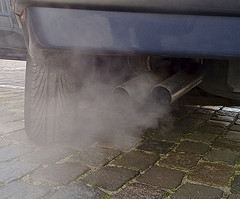
Unless we are using renewable energy sources such as solar panels or wind turbines, producing the electricity that powers our homes and gadgets causes pollution.  Some of the petrol or diesel that we put into our cars turns into pollution, which is contained in exhaust fumes.  Diesel fumes contain particulates - a fine dust, which is not good for asthmatics, for example.
Car Exhaust“What about cow farts?” I hear you ask.  Actually, I didn’t hear and you probably weren’t asking that but yep, that’s right - we can’t leave out the massive impact of farming. The livestock we rear for meat emit more greenhouse gas than all the world’s transport!  It is through their burps and belches that they emit most of these gases - up to 95% comes from the cow's mouth rather than its bottom! The greenhouse gas that livestock produce is called methane.  Methane, together with other greenhouse gases like carbon dioxide contribute to global warming by acting like a blanket surrounding the whole planet, trapping the sun’s heat within the atmosphere and causing global temperatures to rise.

Chemical waste from factories and sewage works can also cause pollution that can get into our rivers and seas, which soon carry the harmful particles for miles.  Litter is considered pollution as it can cause harm to wildlife and disrupt rivers, streams, seas and other habitats.  Harmful chemicals can also be found in many household and garden items, from plastics to cleaning products, weedkillers and sprays.
But all is not lost.  We can all learn a few little tips to help protect the environment and its future:
How to help:
  • Don’t drop litter  Birds and animals can mistake litter for food.  Litter can end up in rivers and block drains, or in the sea and be eaten by fish.  Also, some litter will stay around for thousands of years!
  • Save it!  All of the electricity saving tips in the above section will also help reduce pollution.
  • On your bike  Instead of taking the car get your bicycle out or take the ‘shoelace express’ - also known as walking.
  • Pleasing products  Many household cleaning products contain harmful chemicals which are washed down the drain.  Encourage your parents to buy eco-friendly products or even make your own from natural substances like vinegar and lemon juice.
  • Detectives  If you spot pollution, such as oil on the beach, report it to the local council. If you suspect a stream is polluted, report it to the Environment Agency.
There’s a lot more to know about pollution and knowing more will help you do more to protect the environment.  For more information see the related factsheets below.

Source:  ypte.org.uk

How can you help protect Environment?

Electricity

© Joe Ferry CC BY 2.0Energy is everywhere.  We use energy to move the mouse for a computer, to jump and shout and walk and run.  It takes energy to power a light bulb, and the light that the bulb gives off is also a form of energy called radiant energy.  Radiant energy from the sun enables vegetables, plants, trees and us to live and grow!  Other forms of energy include heat, chemical energy, kinetic (motion) energy, gravitational energy and nuclear power.
Electricity is a form of energy and this is what powers the TV, the kettle, dishwasher, hairdryer, toaster, remote control, mobile phone, fridge, stereo, electric toothbrush, mp3 player and more!
Detectives - Can you guess how many things need electricity in your house?  Take a guess, then go on a detective mission and write down all the things you find.  Set up a competition in your family and see who's guess is the closest!
Do you want to know how much electricity the world's human population uses?  See our Energy factsheet in the Related Resources below,
Our growing need for energy is one of the problems facing the world today, because producing electricity also produces our next topic - pollution.
When you’re next using electricity think about where it comes from and how you can use less to take the strain off of the environment - here are some simple ways to make a big difference:
  • On or Off?  Leaving televisions, stereos and computers on standby with the little red light showing still uses up electricity, even though they might look like they're turned off.  To stop this you can turn them off at the wall. Simple!
  • Lights out!  Turning lights off when you're not in the room (make sure no-one else is too!) can save a lot of energy.
  • Putting the kettle on  Britons drink an amazing 60.2 billion cups of tea a day according to The Tea Council.  That's a lot of tea, and a lot of electricity too!  That's why it's important to only boil as much water as you need in your kettle.  It's best to boil enough water for one cup, not three or five - plus you won't have to wait as long, which is a bonus!
  • Brrrr  The fridge is an important part of the kitchen, it keeps food fresh, cool and healthy!  But it takes a lot of energy to keep cool, so help it by not leaving the fridge door open or putting hot things inside.
  • Shopping  Many products are now helping you to reduce your energy use and your parents’ energy bills!  Check new products for their efficiency grade and rating and keep an eye out for the Energy Efficiency Recommended logo. 
  • Harness the sun’s energy - An increasing number of people are fitting solar panels to their houses.  Photovoltaic (PV) solar panels create electricity from sunlight, which can then be used to power their homes.  Solar heating panels make hot water, reducing the need for electricity or gas to heat water or run the central heating system.
Source:  ypte.org.uk

Consider Fiberglass Windows as an Energy-Efficient Window Option


Energy-Efficient Windows

In recent years, attempts to reduce personal carbon footprint have helped homeowners and builders to find a sustainable solution in fiberglass windows. Fiberglass windows demonstrate outstanding energy efficiency because they embody much less energy than vinyl, wood, and other composite window materials through low-emissivity coatings which control the transfer of warm or cool air from your home to the outside. Fiberglass windows contain between 60% to 85% silica sand, a raw material that is considered to be one of the most abundant resources on earth.
Turning silica sand into the molten glass frames involves melting and spinning silica sand into glass fibers and recycling the excess for other practical purposes. Not only are these windows 100 percent recyclable, they are also known for consuming 39 percent less production energy than their vinyl counterparts.

Fiberglass Windows in House

Stronger than Wood, Vinyl, and Other Window Materials
Fiberglass windows are also unsusceptible to many of the weaknesses found in wood and vinyl windows. Immune to dramatic thermal expansion and contraction, fiberglass windows expand at the rate of glass and do not chip, crack, or create leaking points for air to escape from the house.
Whereas the robustness of wood and vinyl windows may be compromised due to unhealthy thermal performances, you can be sure that your fiberglass windows will stay strong and fit in their installed positions for many years to come. Fiberglass windows are 8 times stronger than vinyl and 3.5 times stronger than aluminum.
As a result, you do not need to give your fiberglass window any additional reinforcement that may increase the weight of your window and the cost of its installation.


Interior Kitchen Windows

Safeguarding Your Window Investment with Longevity and Performance
The life expectancy of a fiberglass window is usually 5 times longer than vinyl. With virtually no upkeep on your part, your fiberglass windows are long lasting, which greatly limits their impact on resource depletion and embodied energy.
As Energy Star reports, “fiberglass frames are strong, durable, low-maintenance, and provide good insulation. Fiberglass frames can be either hollow or filled with foam insulation.” The American Architectural Manufacturers Association (AAMA) further confirms that fiberglass windows have very low coefficient of thermal expansion. This makes them highly compatible with glazing materials, allowing them to be coated with multiple layers to enhance energy efficiency, durability, and cosmetics.
Fiberglass windows are not only energy efficient, but also practical in every way that matters. They are an ENERGY STAR® window solution and a popular choice for architects, builders, and homeowners who seek to create a LEED® certified buildings that have been approved by the U.S. Green Building Council.

Source:  www.motherearthnews.com

Top Tips for Septic System Maintenance

Follow these septic system care do's and don'ts to benefit the life of your system, your health, your finances and the environment.

 
Without proper septic system care — especially as a system nears 20 or more years of use — homeowners are in danger of leaks and blockages that can contaminate soil and water sources.
Fotolia/Laurine45

Septic System Care

Record Keeping Keep copies of all system drawings/plans of the site, installed equipment, and service records with all other home appliance documents. Record all applicable information.

Laundry/Water Usage Spread wash loads throughout the week. Instead of liquid fabric softener, dryer sheets should be used. Use low-suds, biodegradable and low phosphate detergents, such as Mighty Mike® from Scienco/FAST (www.sciencofast.com).

Leaky Fixtures Large quantities of water are added to your wastewater system when you have leaking fixtures. Timely detection and repair can help to maximize the life of your system, especially the drain field.

Water Softeners The FAST® process may tolerate discharge from properly operating softeners that backwash as needed based on water usage (DIR) vs. timer operated systems, if allowed by your local regulatory authority. However, these discharges can possibly damage other parts of the septic system.

Food Wastes Garbage disposal waste is acceptable – if allowed by your local regulatory authority. However, it may lead to more frequent removal of solids from your septic tank. For large quantities of food, please dispose of in the garbage.

Fats, Oils, and Grease Be aware of too much grease (i.e. animal fats, vegetable oils, lard, etc) down the drain may overload or prevent the bacteria from fully breaking down the waste.

Disinfectants/Cleaners Use citricacid, chlorine, and/or other biodegradable cleaners according to the manufacturer’s recommendations. Products containing quaternary ammonia or pine-oil based cleaners should not be used. Use drain cleaners as a last resort to unclog pipes.

Floor Drains from Garage and Workrooms Should be diverted away from your septic system. Items like petroleum-based oils, gas, and saw dust should never enter the system.

Medicines  Do not flush them down any drain. All antibiotic medicines are harmful to treatment quality. Unused medications should be returned to the pharmacy, doctor, or thrown away in the trash.

Source: www.motherearthnews.com